Sports Betting & Odds Online with Ladbrokes
Welcome to Ladbrokes, one of the UK’s most trusted names in sports betting since 1886. From the FA Cup and the Grand National to Wimbledon, the Six Nations and the Super Bowl, you can explore betting markets across football, horse racing, tennis, rugby, cricket, golf, US sports and more.
Whether you’re building an acca, betting live in-play, or taking advantage of Flash Odds, Ladbrokes delivers competitive odds and markets across every major sporting event.
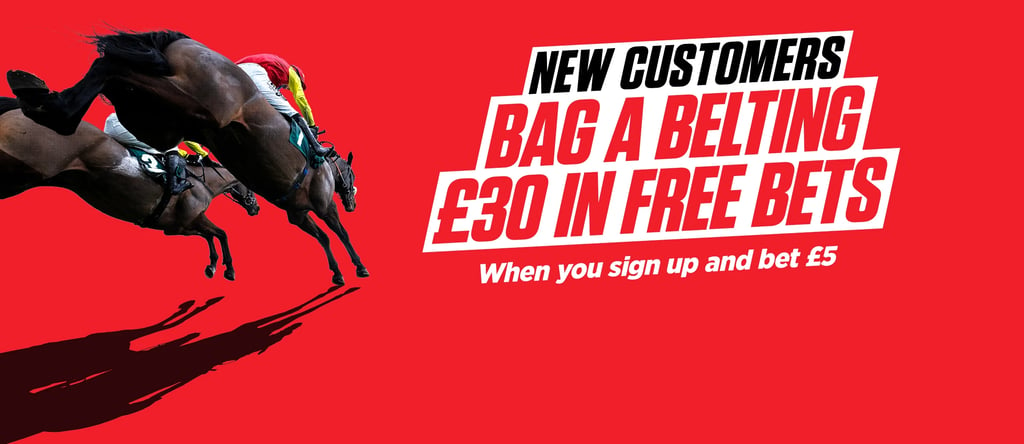
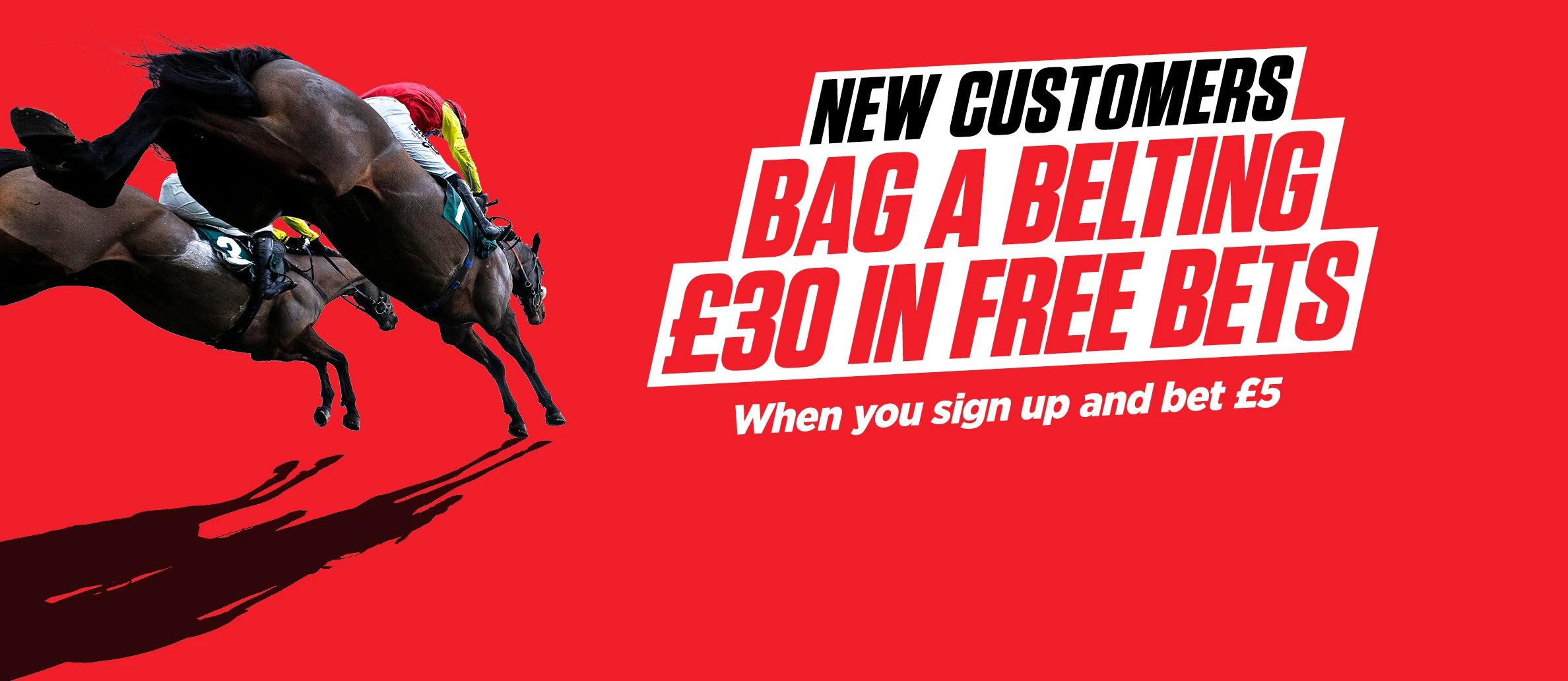
Join Ladbrokes today and claim your welcome bonus – Bet £5, Get £30.
18+. T&Cs apply. Min odds/stake/time limits; payment exclusions may apply.
Why Bet with Ladbrokes?
- Flash Odds & Top Price Guarantee on selected sports
- Live In-Play Betting across football, racing, tennis and more
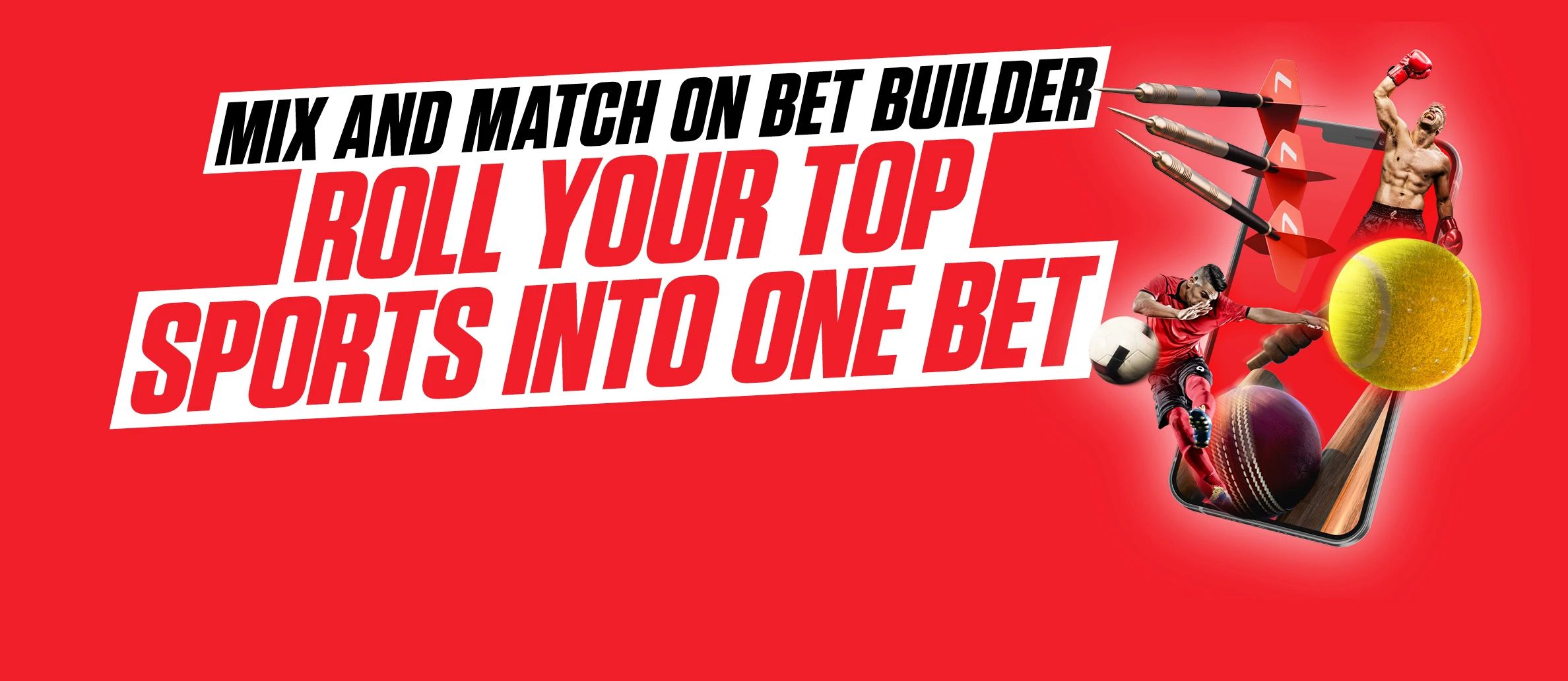
- Create custom bets with Bet Builder
- Trusted bookmaker heritage since 1886
Popular Sports Betting
At Ladbrokes you’ll find betting markets for the UK’s most popular sports. Explore outright odds, live in-play action and upcoming fixtures:
American & Global Sports
Bet on the world’s biggest competitions:
Niche & Specialist Sports
Alongside the headline events, Ladbrokes also covers darts, snooker, boxing, cycling, Formula 1, eSports and more - each with a wide choice of betting markets.
2026 World Cup odds
A huge summer of football is in store with the 2026 World Cup, and you can bet on a number of different markets across the world's biggest sporting competition. Whether you're backing England to win their first World Cup since 1966, tipping Argentina to retain their crown, or even predicting another shock result, Ladbrokes has you covered. You will also find a number of markets for every single match at this summer's World Cup, including in-play options.
You can also stay up to date with all of our latest World Cup content, including detailed match previews for every single England game, and a look at 48 players to watch at the 2026 World Cup.
How Sports Betting Works
Odds are at the heart of every bet. In the UK, they are usually displayed as fractional (e.g. 5/1 or 2/7).
- A £10 bet at 5/1 returns £60 (£50 profit + £10 stake)
- A £10 bet at 2/7 returns £12.86 (£2.86 profit + £10 stake)
You can also switch to decimal odds in your account settings for clarity.
Popular Bet Types
- Singles – One outcome, one result
- Accas – Combine multiple bets for bigger returns
- Handicap Bets – Level the playing field between mismatched teams
- Each-Way Bets – Popular in horse racing (win/place payouts)
- Bet Builder – Create a custom acca within a single match
- In-Play – Bet live as the action unfolds
Example: A £5 four-fold football acca at 10/1 would return £55 if all four teams win.
Sports Betting Offers
Enhance your betting with Ladbrokes promotions:
- Welcome Offer: Bet £5, Get £30
- Flash Odds – Daily boosted prices on top markets
- Top Price Guarantee – Competitive horse racing odds
How to claim your welcome bonus:
- Register a Ladbrokes account
- Deposit funds
- Place a £5 qualifying bet
- Receive £30 in free bets to use across sports
Quick Guide: How to Place a Bet
- Register with Ladbrokes
- Deposit securely
- Pick your market (e.g. Grand National each-way, FA Cup acca)
- Place your bet and track the action live
Sports Betting FAQs
How does sports betting work at Ladbrokes?
You can place bets on outcomes like match winners, handicaps, totals or outrights. Winnings = stake × odds.
What are Ladbrokes’ most popular sports?
Football and horse racing lead the way, with tennis, rugby, cricket and golf also attracting big markets.
Does Ladbrokes offer in-play betting and cash out?
Yes – you can bet live with in-play markets, and cash out selected bets early.
What are Flash Odds?
Flash Odds are daily price boosts available for a limited time on top events, exclusive to Ladbrokes.
Responsible Gambling
Sports betting should always be fun and safe. Ladbrokes provides multiple ways to help you gamble more safely; with deposit limits, time-outs and reality checks to help you stay in control.
Licensed and regulated by the UK Gambling Commission. 18+. BeGambleAware.org. Please bet responsibly.
Sign Up and Start Betting
Register today to unlock thousands of betting markets across football, racing, rugby, tennis, cricket, US sports and more. With Flash Odds, Top Price Guarantee and in-play betting, Ladbrokes gives you more ways to play.
Join Ladbrokes now and claim your welcome bonus